While bronchiolitis is the most common manifestation, RSV infections are associated with a higher long-term risk of recurrent wheezing and the development of asthma.
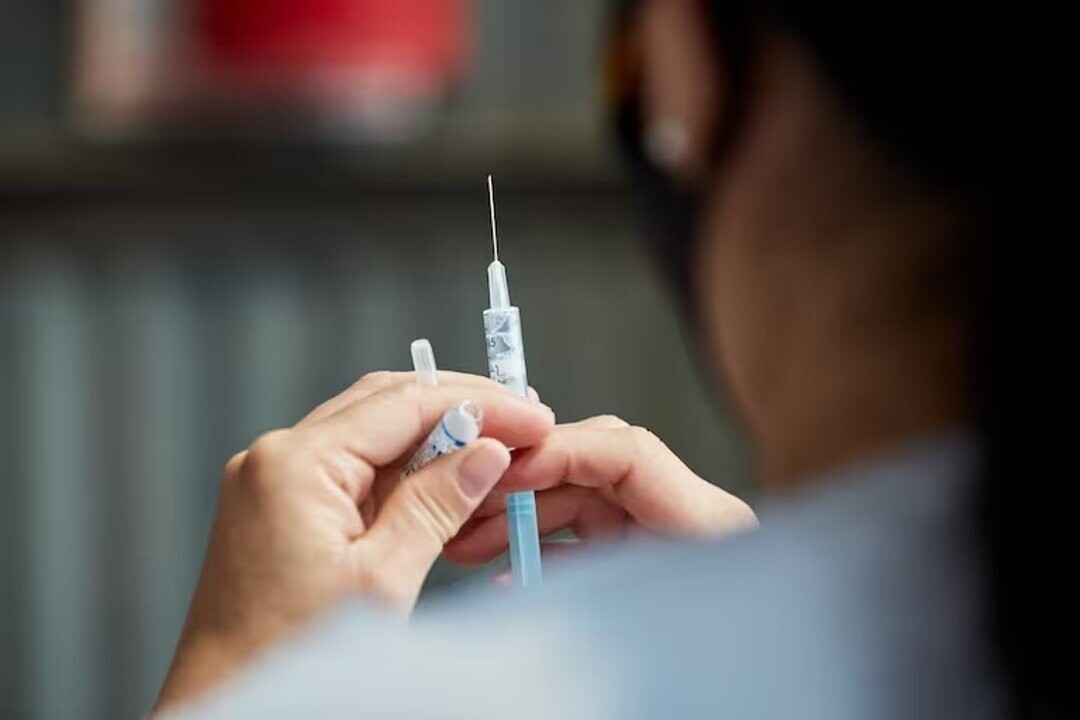
The implementation of maternal vaccination represents a strategic policy: transferring immunity to the baby during gestation allows it to be adequately protected from birth, significantly reducing the risk of severe bronchiolitis, pneumonia, hospitalizations, and serious complications during the first six months of life.
Additionally, this seeks to reduce pressure on pediatric emergency departments and optimize public resources, according to the Argentine News Agency.
This is the second consecutive year that the Ministry of Health has decided to begin RSV vaccination in January to ensure the largest number of newborns are protected when the virus begins to circulate.
Argentina, in turn, is one of the pioneering countries in the region in the application of the RSV vaccine during pregnancy. The coordinating work with jurisdictions has made it possible to administer more than 178,000 doses, reaching 65% of the target population.
Preliminary results show a 62% reduction in RSV-associated hospitalizations and a 70% decrease in admissions to intensive care for infants under six months.
The national government informed the different jurisdictions that the vaccination strategy against the Respiratory Syncytial Virus (RSV) will begin on January 12, 2026, in order to anticipate health risks and protect newborns.
The strategy is aimed at all women who are between weeks 32 and 36 of pregnancy, as well as in the six days postpartum. No medical order is needed to receive it, and only a certificate indicating the week of gestation must be presented.
RSV is the main cause of lower respiratory infections in infants, a problem that has historically strained the health system.